

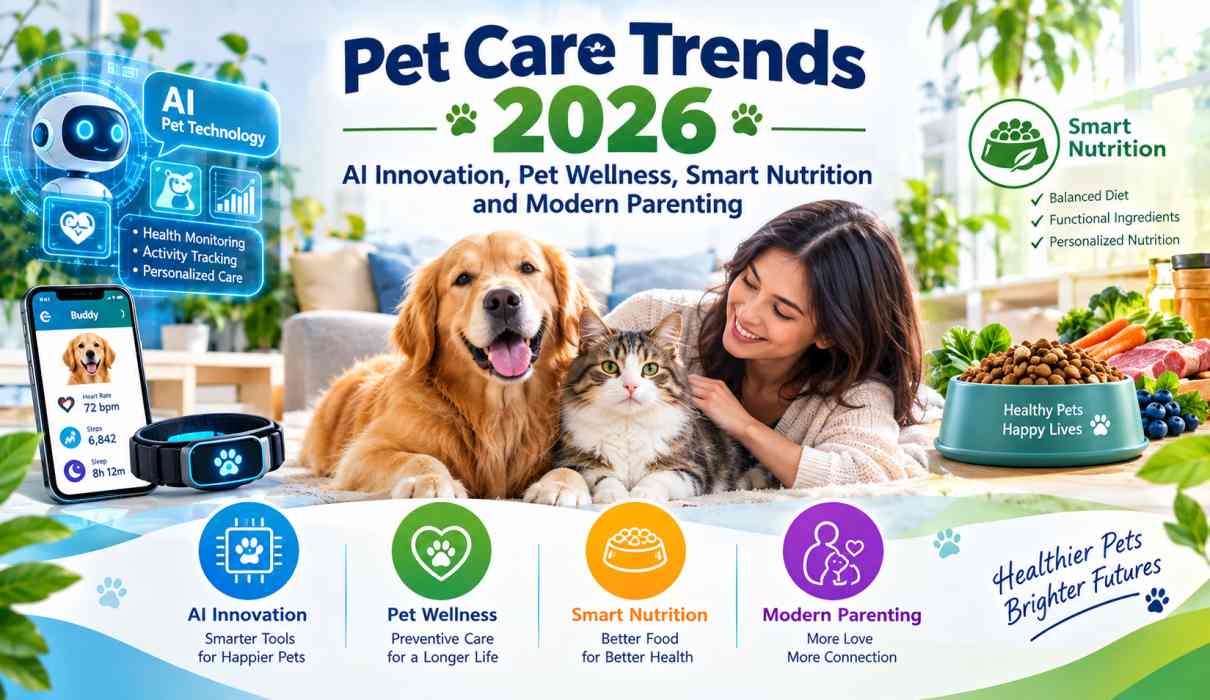
Pet Care Trends 2026: AI Innovation, Pet Wellness, Smart Nutrition and Modern Parenting
Pet care is changing rapidly in 2026. Dogs, cats and other companion animals are increasingly considered members of the family, and pet parents are looking for better ways to support their animals’ health, nutrition, safety, comfort and overall quality of life. At the same time, artificial intelligence, smart devices, preventive healthcare and personalized nutrition are transforming the modern pet-care experience.
The pet care trends of 2026 reflect a broader shift from basic pet ownership toward informed and proactive pet parenting. Instead of waiting until a pet becomes seriously ill, owners are increasingly interested in preventive wellness, health monitoring, functional nutrition, enrichment and technology-assisted care.
Industry research also points to growing interest in wellness, premium products, personalization and AI-powered discovery. NielsenIQ describes 2026 pet care as increasingly influenced by pets being treated as family members, while preventive health and wellness are becoming more important purchasing considerations.
From smart collars and AI-powered tools to specialized diets and sustainable products, here are the major pet care trends shaping 2026.
1. AI Is Transforming Modern Pet Care
Artificial intelligence is becoming one of the most interesting developments in the pet industry. AI is being used to help pet parents discover products, understand pet-care information, organize routines and interpret data from connected devices.
AI-powered pet-care platforms can potentially help owners keep track of information such as vaccination schedules, appointments, medication reminders, feeding routines and daily activity. Some platforms are also being designed to provide personalized guidance based on a pet’s breed, age, weight and lifestyle.
However, AI should be viewed as a support tool rather than a replacement for veterinarians. A digital assistant may help an owner recognize that something appears unusual, but diagnosis and treatment should remain under professional veterinary supervision.
The broader trend is clear: AI in pet care is moving from novelty toward practical assistance, particularly as pet parents face an increasing amount of information and product choices.
2. Smart Pet Wearables and Health Monitoring
Smart technology is becoming increasingly common in pet households. GPS trackers were already useful for locating pets, but newer wearable devices are expanding the concept by monitoring activity and behavioral patterns.
Smart collars and wearable devices can provide information about movement, rest, exercise and other daily patterns. Some advanced systems are designed to identify changes that may deserve closer attention.
The important advantage is continuous observation. A veterinarian usually sees a pet for a limited period, while a wearable device can potentially collect information over days or weeks.
For example, a noticeable change in activity or sleeping behavior may encourage an owner to monitor the pet more closely and consult a veterinarian when appropriate.
Pet wearables should not be treated as diagnostic devices unless they are specifically validated for that purpose. Their greatest value is often in tracking patterns and supporting conversations with veterinary professionals.
3. Preventive Pet Wellness Becomes a Priority
One of the biggest pet wellness trends in 2026 is the movement from reactive care to preventive care.
Traditional pet care often focused on treating an illness after symptoms appeared. Modern pet parenting increasingly emphasizes maintaining health before problems become serious.
Preventive pet wellness can include:
- Regular veterinary checkups
- Vaccinations
- Dental care
- Parasite prevention
- Healthy weight management
- Appropriate exercise
- Skin and coat care
- Mental enrichment
- Age-appropriate nutrition
- Monitoring changes in behavior
Recent industry research highlights increasing interest in preventive health, healthy aging, digestive wellness, diagnostics and everyday health monitoring.
This trend is particularly important because pets cannot explain when they are experiencing pain or discomfort. Owners therefore need to pay attention to changes in appetite, activity, behavior and physical condition.
4. Smart Nutrition and Personalized Pet Food
Pet nutrition is another major area of transformation in 2026.
Instead of choosing pet food based only on flavor or price, modern pet parents are paying greater attention to ingredients, nutritional balance, life stage, activity level and specific wellness needs.
Personalized nutrition is becoming particularly attractive. A diet appropriate for a young, highly active dog may not be ideal for an older dog with different nutritional requirements. Cats also have their own dietary needs that can vary according to age, lifestyle and health considerations.
The pet food market is increasingly influenced by trends such as:
- High-quality protein
- Functional ingredients
- Digestive health
- Healthy aging
- Skin and coat support
- Weight management
- Life-stage nutrition
- Breed or size-specific formulas
- Personalized feeding plans
In India, pet food is also becoming more specialized as urban pet ownership grows and more owners treat animals as family members. A recent market report identified premium, functional and specialized nutrition as important areas of development in India’s pet food sector.
5. Gut Health and Functional Nutrition
Gut health is becoming one of the most discussed areas in pet nutrition.
Pet parents are increasingly interested in foods and supplements designed to support digestion and overall wellness. Functional ingredients, probiotics and other digestive-health products are receiving greater attention.
This reflects a broader consumer trend: people are applying some of their own wellness priorities to their pets.
However, more supplements do not automatically mean better health. Pet parents should consider whether a product is actually appropriate for their animal and discuss supplements with a veterinarian when there are questions about dosage, interactions or existing health conditions.
The emphasis in 2026 is increasingly on purpose-driven nutrition rather than simply adding more products to a pet’s diet. Industry data also shows strong interest in functional wellness and digestive-health claims within pet care.
6. Mental Health, Enrichment and Emotional Wellness
Pet wellness is no longer limited to physical health.
Mental stimulation and emotional wellbeing are becoming important components of responsible pet parenting. Dogs and cats need appropriate stimulation, social interaction, rest and opportunities to express natural behaviors.
Modern enrichment can include:
- Interactive toys
- Puzzle feeders
- Training activities
- Outdoor exploration
- Safe socialization
- Play sessions
- Scratching and climbing opportunities for cats
- Comfortable resting areas
For indoor pets especially, enrichment can help create a more stimulating environment.
The future of pet care therefore takes a more holistic approach, considering the physical, behavioral and emotional needs of the animal.
7. Smarter Pet Parenting Through Data
Modern pet parents have access to more information than ever before.
Smart feeders, activity trackers, digital veterinary records, reminder applications and connected cameras can help owners organize everyday responsibilities.
For busy households, technology can make routines easier to manage. Owners can receive reminders for feeding, appointments, vaccinations or other recurring tasks.
Data can also help identify changes over time. Instead of relying entirely on memory, owners may have access to records showing how active their pet has been or how eating and sleeping patterns have changed.
The goal should not be to turn pet parenting into a constant data-analysis exercise. Technology works best when it simplifies care rather than creating unnecessary anxiety.
8. Premium and Personalized Pet Products
Pet humanization continues to influence the industry in 2026.
When people consider pets part of their families, they are often willing to invest in products that promise improved comfort, convenience, safety or quality of life.
This has created demand for premium products such as specialized food, comfortable beds, enrichment toys, grooming products, wellness products and smart accessories.
Personalization is another major development. Products are increasingly marketed according to factors such as breed, size, age, lifestyle and individual preferences.
NielsenIQ’s 2026 analysis highlights the continued importance of premiumization, wellness and the changing expectations of pet parents.
The key for consumers is to distinguish between products that offer meaningful benefits and products that simply use premium marketing language.
9. Digital Veterinary Care and Better Access to Information
Technology is also changing how pet owners interact with veterinary services.
Online appointment systems, digital records, remote communication and technology-assisted monitoring can make pet healthcare more convenient.
Digital tools can be particularly helpful for routine questions, appointment management and sharing information with veterinary teams. However, remote information should not replace an in-person examination when a pet has concerning symptoms.
This is especially important because pets can hide signs of illness. Recent reporting has emphasized the importance of veterinary diagnostics and routine health checks in identifying problems that may not be obvious to owners.
The future is likely to involve greater integration between technology, pet owners and veterinary professionals rather than technology replacing veterinary care.
10. Sustainable Pet Care Products
Sustainability is becoming another consideration in modern pet parenting.
Pet owners are increasingly interested in products that reduce waste, use responsible materials or have longer lifespans. This can include reusable accessories, environmentally conscious packaging, durable toys and responsibly sourced ingredients.
Sustainable pet care does not necessarily mean buying the most expensive product. Simple choices can also make a difference, such as selecting durable products rather than frequently replacing low-quality items.
The broader trend is toward making pet care more environmentally responsible while maintaining safety and quality.
11. Convenience and Online Pet Shopping
E-commerce continues to change the way people purchase pet products.
Food, treats, grooming supplies, toys, accessories and other pet-care products can now be ordered online, often with recurring delivery options.
Convenience is particularly valuable for products that need to be purchased regularly. Subscription and auto-replenishment models can help owners avoid running out of essential supplies.
At the same time, the growing number of choices makes product research more important. AI-powered shopping tools and improved digital product information are increasingly influencing how pet parents compare and select products.
Trust, transparent information and reliable reviews will remain important factors in online pet shopping.
12. The Growth of India’s Pet Care Ecosystem
India is becoming an important market for modern pet care. Rising urban pet ownership, changing lifestyles and stronger emotional connections between people and companion animals are supporting demand for food, healthcare, grooming, boarding, technology and other services.
The 2026 CII India Petcare Summit highlighted the importance of science-led nutrition, veterinary infrastructure, responsible pet ownership and stronger systems for sustainable growth in India’s pet-care ecosystem.
India’s pet food market is also becoming more sophisticated, with increasing demand for premium and specialized products.
This creates opportunities for businesses developing pet technology, veterinary services, nutrition products, grooming solutions and digital platforms.
13. What Pet Parents Should Focus on in 2026
With so many new products and technologies available, pet parents do not need to adopt every trend.
The most useful approach is to focus on the fundamentals:
Prioritize veterinary care: Regular professional checkups remain essential.
Choose appropriate nutrition: Select food based on the pet’s nutritional needs rather than marketing claims alone.
Monitor behavior: Changes in appetite, activity, sleep or behavior can be worth discussing with a veterinarian.
Use technology wisely: Smart collars, apps and cameras can support care, but they should not replace professional judgment.
Support mental wellness: Exercise, play, training and enrichment are important parts of a healthy lifestyle.
Think long term: Preventive care, healthy weight, dental care and appropriate nutrition can support better quality of life.
Be cautious with supplements: Not every pet needs supplements, and some products may be inappropriate without professional guidance.
The Future of Pet Care in 2026 and Beyond
The future of pet care is becoming smarter, more personalized and more wellness-focused. Artificial intelligence, connected devices, personalized nutrition and digital veterinary services are changing how people understand and manage their pets’ everyday needs.
At the same time, the most important part of pet care remains unchanged: attention, responsibility, companionship and professional veterinary support.
The strongest pet care trends in 2026 combine technology with common sense. AI can organize information, smart devices can monitor patterns, better nutrition can support healthy lifestyles and digital platforms can make services more convenient. But none of these innovations replace the relationship between pets and responsible owners.
Modern pet parenting is ultimately about understanding an animal as an individual. Every pet has different needs based on species, age, breed, lifestyle and health. The best approach is therefore not simply to follow the newest trend, but to choose useful innovations that genuinely improve the pet’s safety, comfort and quality of life.
Conclusion
Pet Care Trends 2026 demonstrate how rapidly the industry is evolving. AI innovation, smart wearables, preventive wellness, functional nutrition, mental enrichment, personalized products and sustainable solutions are becoming increasingly important to modern pet parents.
As pets continue to be treated as valued members of the family, demand for better healthcare, smarter technology and higher-quality nutrition is likely to grow. The future of pet care will not be defined by technology alone. It will be defined by the combination of science, responsible pet parenting, personalized care and meaningful human-animal relationships.
For pet parents, 2026 offers an opportunity to use new tools wisely while keeping the fundamentals of good pet care at the center: nutritious food, regular veterinary care, exercise, enrichment, safety, affection and plenty of attention.